The Acoustics of Royal Albert Hall: Why It’s a Favorite for Artists
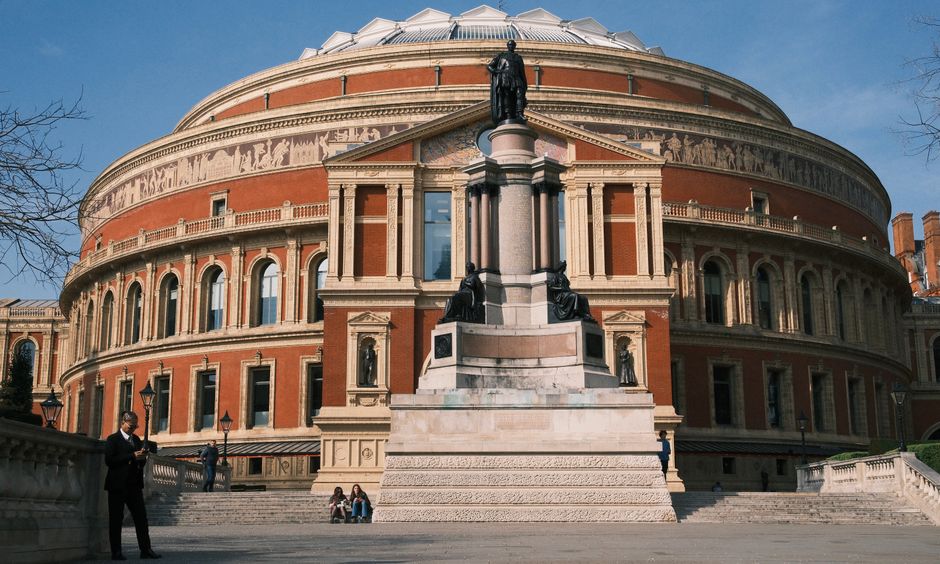
Music has a deeply intimate relationship with the spaces in which it is performed. A venue’s architecture can enhance or obscure the artistry on stage, influencing how audiences experience every note. Royal Albert Hall in London stands as a remarkable example of this relationship, with its distinctive domed roof and expansive interior shaping sound in ways that are both celebrated and studied. For decades, it has been a favored stage for a wide range of artists, from classical orchestras to contemporary rock bands, who are drawn not only to its grand atmosphere but also to its unique acoustic character. This article explores the specific architectural features that contribute to Royal Albert Hall’s acoustics, how these features affect different performance genres, and why the venue continues to attract performers and audiences alike.
The hall’s acoustic identity is deeply intertwined with its history. Conceived as a grand arena for public events, it opened in 1871 and was named in honor of Prince Albert. The striking terracotta exterior and vast interior were designed to inspire awe, yet the acoustic behavior of the space was not fully understood at the time of construction. Over the years, the hall has undergone various modifications to address its acoustic challenges, while preserving the architectural essence that makes it so distinctive. The result is a space that offers an acoustic experience unlike any other, one that continues to shape performances and recording projects.
This article aims to provide a comprehensive understanding of the acoustics of Royal Albert Hall, focusing on the dome, the auditorium’s geometry, and the use of acoustic diffusers. We will also examine how these elements influence both classical and amplified musical performances, and discuss the ongoing efforts to optimize the hall’s sound. By the end, readers will have a clearer picture of why this venue remains a benchmark for concert hall design and a favorite among artists worldwide.
The Iconic Dome and Its Acoustic Role
Perhaps the most defining feature of Royal Albert Hall is its majestic dome, which dominates both the exterior and interior appearance. From an acoustic standpoint, the dome acts as a large reflector, bouncing sound waves back into the auditorium. However, the dome’s concave shape can also create focusing effects, where sound converges in certain areas and becomes weak in others. In the early years of the hall, this led to noticeable acoustic dead spots and an uneven distribution of sound. The curvature of the dome also contributed to strong echoes, as sound waves would reflect off the surface and arrive at the audience with a noticeable delay.
To mitigate these issues, engineers and acoustic consultants have implemented several solutions over the decades. One of the most significant was the installation of a series of large, mushroom-shaped diffusers, known as “acoustic clouds,” suspended from the ceiling below the dome. These structures are designed to scatter sound waves in many directions, effectively breaking up the focused reflections from the dome. As a result, the echoes are reduced, and the sound field becomes more diffuse, allowing for a more balanced listening experience across different seating areas.
The dome also influences the hall’s characteristic reverberation time, which is the duration it takes for sound to decay after the source stops. On average, the reverberation time is around three seconds, which is relatively long and creates a lush, encompassing acoustic environment. This long reverb is particularly beneficial for orchestral and choral music, as it adds richness and blends individual instrument tones into a cohesive whole. However, it also demands careful management during amplified concerts, where excessive reverberation can muddy the clarity of vocals and instruments.
The Auditorium’s Layout and Sound Reflection
Beyond the dome, the overall layout of Royal Albert Hall contributes significantly to its acoustic profile. The hall is designed in an oval shape, with seating arranged on multiple levels, including stalls, tiers, and boxes. This configuration creates a variety of distances between the sound source and the listener, resulting in a complex pattern of direct and reflected sound. The side walls and balcony frontages reflect sound waves, adding early reflections that help reinforce the direct sound from the stage, which is crucial for speech intelligibility and musical clarity.
However, the irregular geometry of the seating areas and the protrusion of boxes can cause some seats to experience less favorable acoustics than others. As a result, audiences in different parts of the hall may hear slightly different tonal balances. This is an inherent challenge of multi-level concert halls, and it is often mitigated by strategic placement of acoustic panels and the orientation of performers. In recent renovations, additional reflectors and absorbing materials have been integrated into the architecture to optimize the acoustic experience for more seating positions.
The stage itself is also designed with acoustics in mind. A specially constructed acoustic shell, made of large panels, surrounds the orchestra and reflects sound out toward the audience. This helps to project the music forward and reduces the sense of detachment that can occur in large spaces. For amplified performances, the stage can be configured to support sound systems, with careful placement of speakers to adjust to the hall’s natural reverb. The flexibility of the stage setup allows for a tailored acoustic environment depending on the nature of the event.
Acoustics for Classical and Rock Performances
Royal Albert Hall is celebrated for its versatility, hosting a wide array of performance types. For classical music, the long reverberation time is generally considered a positive feature, as it enhances the grandeur of symphonic works and allows for a seamless blend of instruments. The hall’s generous acoustics are particularly suited for opera, where the sustained notes of the human voice can resonate beautifully. However, for larger ensembles, the sheer number of musicians and the complexity of the music can sometimes create a muddiness if the dynamics are not carefully balanced.
Conversely, rock and pop concerts require a different acoustic approach. The amplified instrumentation and vocals are typically designed to be clear and upfront, but the hall’s reflective surfaces can cause the sound to linger and crowd the mix. To address this, sound engineers often employ heavy processing, use directional speakers, and adjust the stage setup to minimize excessive reflections. They may also employ additional sound absorption elements on stage to control leakage and ensure the audience hears a defined and powerful performance. The challenge is to harness the hall’s unique atmosphere while ensuring that the musical details are not lost in the wash of reverb.
Professional artists and tour managers often study the acoustics of a venue before performing, and many have noted that Royal Albert Hall requires a degree of adaptation. Some artists welcome the challenge and even tailor their sound to suit the space, while others find it difficult to achieve the consistency they’re used to in modified arenas. Nevertheless, the iconic status of the hall and the prestige of performing there serve as powerful incentives. For many, the acoustic quirks are part of the hall’s charm, offering an experience that cannot be replicated in a conventional concert hall.
The Impact of Renovations on Acoustics
Over the years, Royal Albert Hall has undergone multiple renovation projects aimed at improving its acoustics while preserving its historical character. One of the most notable changes was the removal of the famous “mushrooms” in the 1960s, which were fiberglass diffusers installed in the 1940s, replaced with new acoustic diffusing panels in the 2000s. These modern diffusers are designed to be more effective and less visually intrusive, helping to scatter sound reflections more evenly. This change has contributed to a clearer and more balanced sound across the hall.
Renovations have also focused on the box seating areas and the arena floor. The original wooden floors were replaced with a more flexible surface that can be lowered or raised, allowing for a flat floor suitable for rock concerts or a tiered arrangement for orchestral events. This adaptability is crucial for creating the right acoustic environment for different performances. Additionally, sound absorption materials have been added to certain walls and balcony fronts to reduce the excessive reverberation, particularly in the higher frequency ranges, which can become harsh when amplified.
Modern acoustic modeling and simulation technologies have played a significant role in guiding these renovations. By creating detailed digital models of the hall, acoustic engineers can predict how changes will affect sound propagation before implementing them. This proactive approach minimizes the risk of unintended consequences and ensures that the historical acoustic character is maintained while addressing modern performance needs.
These continuous improvements demonstrate a commitment to acoustic excellence and versatility. The hall is not a frozen monument but a living space that evolves with the demands of the performing arts. Such dedication to quality is a reason why leading artists and orchestras consider Royal Albert Hall a high point in their global tours.
Comparative Context and Worldwide Appeal
When discussing acoustics, it is helpful to place Royal Albert Hall in a broader context. The hall is often compared to other famous venues such as the Sydney Opera House or the Berlin Philharmonie, each with its own acoustic signature. While the latter are renowned for their precision and clarity, Royal Albert Hall is appreciated for its warm, resonant, and grand sound. This distinctive character arises from its heritage and unique geometry, which cannot be replicated exactly in newer concert halls designed purely for acoustic perfection.
This acoustic identity contributes significantly to the hall’s international appeal. For recording artists, the hall offers a unique sonic palette that can enhance certain genres, such as symphonic rock or cinematic music. For example, a live album recorded at Royal Albert Hall might feature a more spacious and layered sound compared to a studio recording. The hall’s history of famous performances adds to its mystique, making it a coveted destination for both artists and fans. The combination of architectural beauty and acoustic uniqueness creates an unforgettable concert experience that many performers and audiences cherish.
However, it is essential to recognize that acoustics are just one factor in an artist’s decision to perform at a venue. Logistical considerations, audience capacity, and cultural significance also play important roles. For many artists, performing at Royal Albert Hall is a career milestone that offers a unique artistic challenge and an opportunity to connect with a historic space. The satisfaction of conquering its acoustic demands can be as rewarding as the performance itself.
The Role of Event Management in Acoustic Optimization
The successful operation of Royal Albert Hall as a versatile venue relies heavily on detailed event planning and collaboration between technical teams and performers. Every concert type presents distinct acoustic considerations, and the event management team at Live Pulse Media is well-versed in navigating these complexities. They work closely with artists and their sound engineers to understand the specific requirements of the performance, whether it’s a full orchestra, a solo piano recital, or a rock band with complex amplification.
For classical performances, stage positioning and the configuration of acoustic reflectors are fine-tuned to ensure that sound is projected effectively to all seats. For amplified events, the placement of speakers and monitors is carefully calibrated to minimize the impact of the hall’s reverberation, often using delay systems and precise equalization. This expertise in adapting to the hall’s acoustics is a key factor in the success of events hosted there. By prioritizing clarity and balance, the management team helps ensure that the audience hears a high-quality mix that honors the music and the hall’s traditions.
Effective acoustic management goes beyond technical adjustments; it also involves educating performers about the hall’s characteristics and setting realistic expectations. Many artists have performed at Royal Albert Hall multiple times, and their feedback is invaluable in refining approaches. Continuous learning and adaptation are central to the venue’s philosophy, ensuring that each performance benefits from the accumulated knowledge of previous events.
It is important to note that the acoustic considerations extend to the audience experience. Seating sections are provided with varying acoustic conditions, and the management uses this knowledge to inform ticket sales and guide audience expectations. By being transparent about the listening experience, they help visitors appreciate the unique nature of the hall and make informed decisions. This holistic attention to acoustics underscores why Royal Albert Hall remains a paragon of event venues.
The Future of Acoustics at Royal Albert Hall
The study of acoustics is an ongoing science, and Royal Albert Hall continues to be a testbed for innovations in architectural acoustics. Future renovations will likely focus on further improving the consistency of sound across the hall, especially in the upper tiers and balconies. Advances in material science may offer new options for acoustic panels that are more compact and effective. Additionally, the integration of digital sound processing and immersive audio technologies could allow for a more customizable acoustic environment, perhaps even adapting in real-time to the performance.
However, any such modifications must be approached with care to preserve the hall’s historical and acoustic legacy. The very features that create its unique sound are the ones that make it beloved, and change must be considered and deliberate. The management at Royal Albert Hall, under the guidance of leading acoustic consultants, will continue to balance tradition with innovation, ensuring that the hall remains a relevant and extraordinary venue for generations to come.
In summary, Royal Albert Hall’s acoustics are a complex interplay of architecture, history, and modern engineering. Its iconic dome and oval layout create a reverberant and enveloping sound that is unlike any other. This acoustic environment is appreciated in different ways by audiences of classical and rock performances, and the hall’s flexibility allows it to accommodate a wide range of musical styles. As a result, it has earned a distinguished place in the world of music, attracting acclaim from artists and acousticians alike. For those searching for a venue that offers both visual splendor and an unforgettable acoustic experience, Royal Albert Hall remains a top choice.