Backstage at Coachella: An Interview with The Sound Engineer
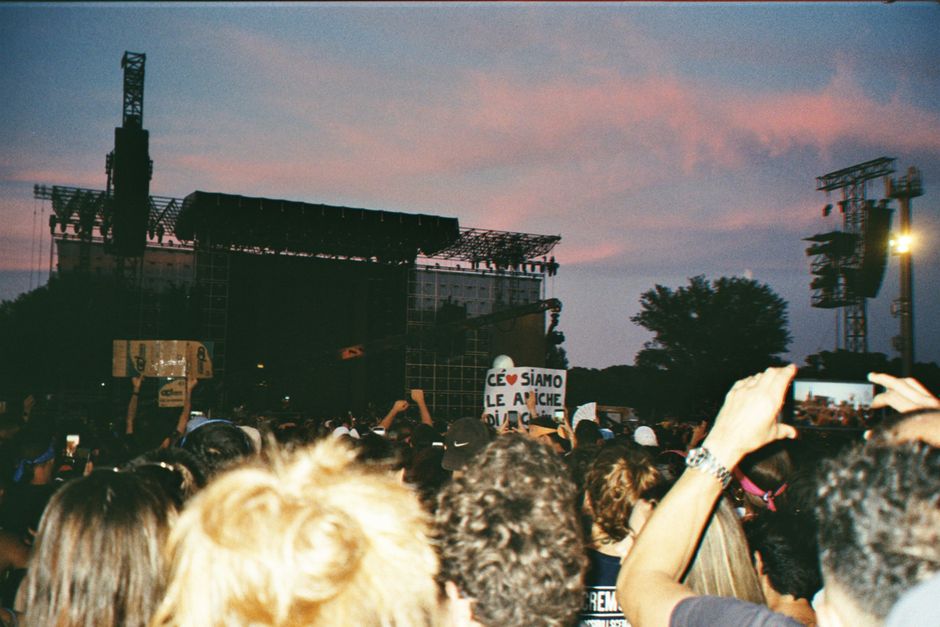
Coachella Valley Music and Arts Festival is one of the most anticipated events in the music industry, drawing thousands of attendees each year to the Colorado Desert. While the spotlight often falls on the performers, the festival’s success relies heavily on the technical crew working behind the scenes. Among them, the sound engineers play a critical role in shaping the audience’s experience. In this article, we explore the world of festival sound through the eyes of a seasoned engineer, discussing the complexities of live mixing, the challenges of adapting to diverse artists, and the evolving technology that makes it all possible.
Our interview subject, who preferred to remain anonymous, has worked in live sound for over a decade, handling sets at major festivals and venues across the United States. He agreed to share his insights on what it takes to deliver clear, balanced audio in an environment as unpredictable as an outdoor festival. From managing multiple stage inputs to compensating for environmental factors, the engineer’s perspective offers a glimpse into the meticulous planning and real-time problem-solving that define his craft.
The Role of a Festival Sound Engineer
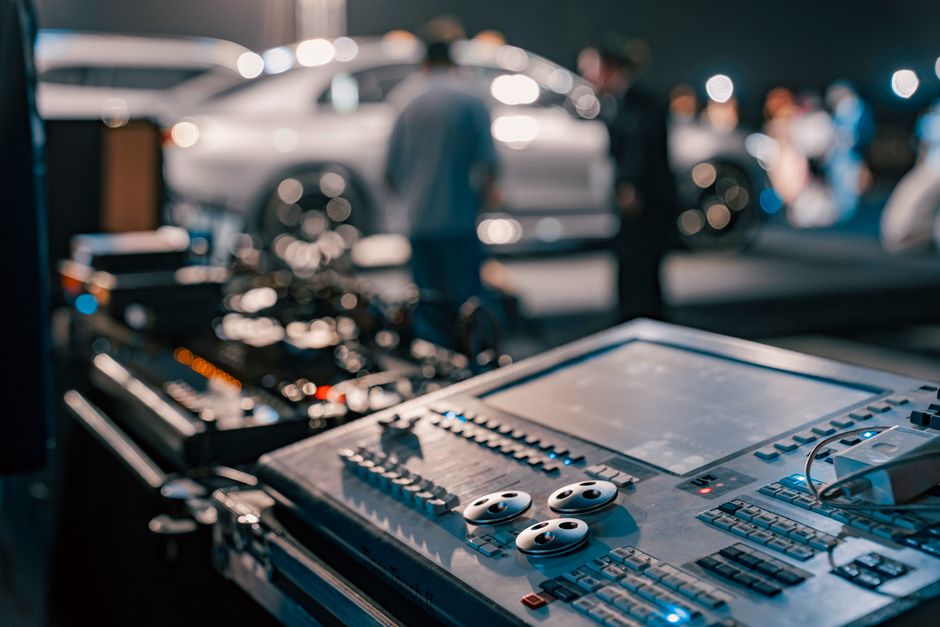
A sound engineer at a festival is responsible for ensuring that the audio system delivers a consistent and high-quality mix to the audience and the performers. This involves setting up and calibrating the PA system, managing the mixing console, and coordinating with other technical staff to optimize sound across various areas of the venue. Unlike a studio engineer, who works in a controlled environment, the festival engineer must adapt to the open-air setting, where wind, temperature, and ambient noise can affect sound propagation.
The engineer typically works from a mix position located at the front-of-house (FOH) area, where he can hear the same sound as the audience. However, he also needs to be aware of the monitoring mix, which is what the artists and musicians hear on stage. Coordinating with a separate monitor engineer is essential, as changes to the FOH mix can influence the performers’ experience. Communication between the two is constant, especially during complicated performances with many instruments and vocalists.
In addition to technical skills, the engineer must possess a deep understanding of music and the ability to work under pressure. Festivals often run on a tight schedule, with minimal time between sets, leaving little room for error. The engineer must be quick to react to any issue, whether it’s a feedback loop, a malfunctioning microphone, or a last-minute change in the setlist. This requires a calm demeanor and a systematic approach to troubleshooting.
Challenges of Mixing for Diverse Artists
One of the most demanding aspects of festival sound engineering is catering to a wide range of musical genres, each with its own sonic characteristics. A day at Coachella might feature an acoustic solo artist followed by a heavy metal band, then a DJ, and later an orchestra-like ensemble. Each performance demands a different mixing approach, and the engineer must be versatile enough to switch modes quickly while maintaining a consistent sound quality.
Genres such as hip-hop and electronic music rely heavily on low-frequency energy, requiring careful management of subwoofers to avoid muddiness or excessive boom. In contrast, folk or classical performances may highlight acoustic instruments and vocals, demanding more clarity and a flatter frequency response. The engineer must balance the audience’s expectation for the genre’s typical sound with the need for clarity and intelligibility.
Furthermore, each artist brings their own preferences and technical rider, which outlines specific monitor mixes and stage equipment. The engineer must interpret and implement these requirements accurately, while also being prepared for improvisation. Some artists may prefer a louder stage volume, while others might demand a precise control of reverb. The engineer has to navigate these preferences without compromising the overall mix.
Technical Setup and Sound Check Procedures
Before the festival gates open, days of preparation go into setting up the sound systems on each stage. The engineer is involved in the deployment of loudspeakers, amplifiers, and cabling, ensuring everything is configured correctly. Once the equipment is in place, the next step is sound checking, where each microphone and instrument is tested and levels are adjusted.
During sound check, the engineer works with the band to ensure that each element is audible and balanced. This involves setting the gain structure, adjusting equalization, and fine-tuning effects like compression and delay. For larger events, sound checks may be limited to a few minutes per band due to time constraints, so the engineer must be efficient and prioritize the most critical aspects.
The engineer also uses measurement tools and software to analyze the acoustic environment, making adjustments to the system’s equalization and delay to compensate for the venue’s characteristics. This is particularly important in an outdoor setting, where there are no walls to reflect sound and the wind can push audio off-target. By carefully measuring and adjusting, the engineer can help minimize these effects.
Managing Live Mixes in a Festival Environment
Once the festival is in full swing, the engineer focuses on delivering a mix that is consistent from the first note to the last. This involves continuous monitoring of levels and frequencies, making real-time adjustments to accommodate changes in the performance. For example, a singer might move closer or farther from the mic, or a guitarist could switch from a clean tone to a distorted one, necessitating instant tweaks to the mix.
One of the biggest challenges in a festival setting is the unpredictable wind, which can carry sound away or cause microphones to pick up unwanted noise. The engineer often uses windshields on microphones and adjusts EQ to reduce low-frequency rumble. Additionally, the ambient noise from other stages can influence the mix, especially if their sound carries across the ground. The engineer must work to keep the mix focused and avoid muddying the audio.
Another consideration is the interaction with the audience. Festivals are lively events with crowds that generate significant noise, which can mask quieter parts of a performance. The engineer must ensure that the mix has enough headroom to cut through the crowd’s applause and chatter, especially during acoustic numbers. This often requires a delicate balance between overall volume and dynamic range, ensuring that the music remains engaging without being overwhelmingly loud.
Technological Advances in Festival Sound
The tools available to sound engineers have evolved significantly, enabling greater precision and flexibility. Digital mixing consoles now offer extensive routing capabilities, built-in effects, and recallable scenes, which allow the engineer to save and recall settings for each act. This is particularly useful during multi-band events, as the engineer can quickly switch between configurations without manual reconfiguration.
Wireless systems have also become more reliable, allowing for easier movement of performers and reducing cable clutter. However, they introduce new challenges, such as potential interference and frequency coordination. The engineer must work with the frequency coordinator to ensure that all wireless devices operate on distinct channels to avoid dropouts.
Additionally, advanced audio networking protocols like Dante enable the transmission of many audio channels over a single Ethernet cable, simplifying the connection between the stage and FOH. This reduces setup time and potential points of failure. The engineer can also use software to monitor the system remotely, adjusting levels from a tablet or smartphone, which grants greater mobility during the performance.
In the end, a great sound is a product of careful preparation and adaptive thinking. You never know what the day will bring, but if you’ve done your homework, you can handle it.
These technological innovations have made the engineer’s job more manageable, but the fundamental principles remain unchanged. The engineer must still trust their ears and respond to the organic nuances of a live performance. Technology serves as an aid, not a replacement, for the creativity and experience that define a skilled sound engineer.
Insights from the Interview
Throughout the interview, our engineer shared several reflections on the nature of live sound. He emphasized the importance of listening not only to the mix but also to the audience’s reaction. A great mix might go unnoticed, but a poor one can ruin a performance, and the engineer must be attuned to the emotional impact of the sound.
He also spoke about the camaraderie among the technical crew. Festivals are massive undertakings that require collaboration across many departments, and a successful event depends on mutual respect and clear communication. The engineer often works with lighting and video teams to synchronize effects and ensure that all elements align seamlessly.
When asked about the most rewarding aspect of his job, he cited the moment when a band finishes a set and the audience is clearly moved by the music. Knowing that he played a part in that connection is deeply fulfilling. However, he was quick to note that this outcome is never guaranteed, and it depends on many factors beyond his control, including the artist’s performance and the audience’s mood.
In summary, the role of a sound engineer at a festival like Coachella is multifaceted and demanding. It blends technical expertise with artistry, requiring a calm focus amid the chaos of a live event. As technology continues to advance, the methods may evolve, but the core mission remains: to faithfully transmit the music to the listeners.